LEAK DETECTION •
Pool Leak Detection in
Empire Pools provides comprehensive pool leak detection for homeowners — rapid loss-diagnosis, pressure testing,
dye tracing, sonic listening, and plumbing isolation to pinpoint leaks fast. We calibrate tests for local conditions near
, , , ,
and along the corridor,
accounting for wind exposure and seasonal soil movement common across Nassau County.
Expect proactive communication, photo/video notes of findings, and clear next-step recommendations.
Westbury • Local Insight
Testing Tuned to Homes
Around , , and ,
vibration, storm runoff, and seasonal ground shifts can stress plumbing, fittings, and equipment pads.
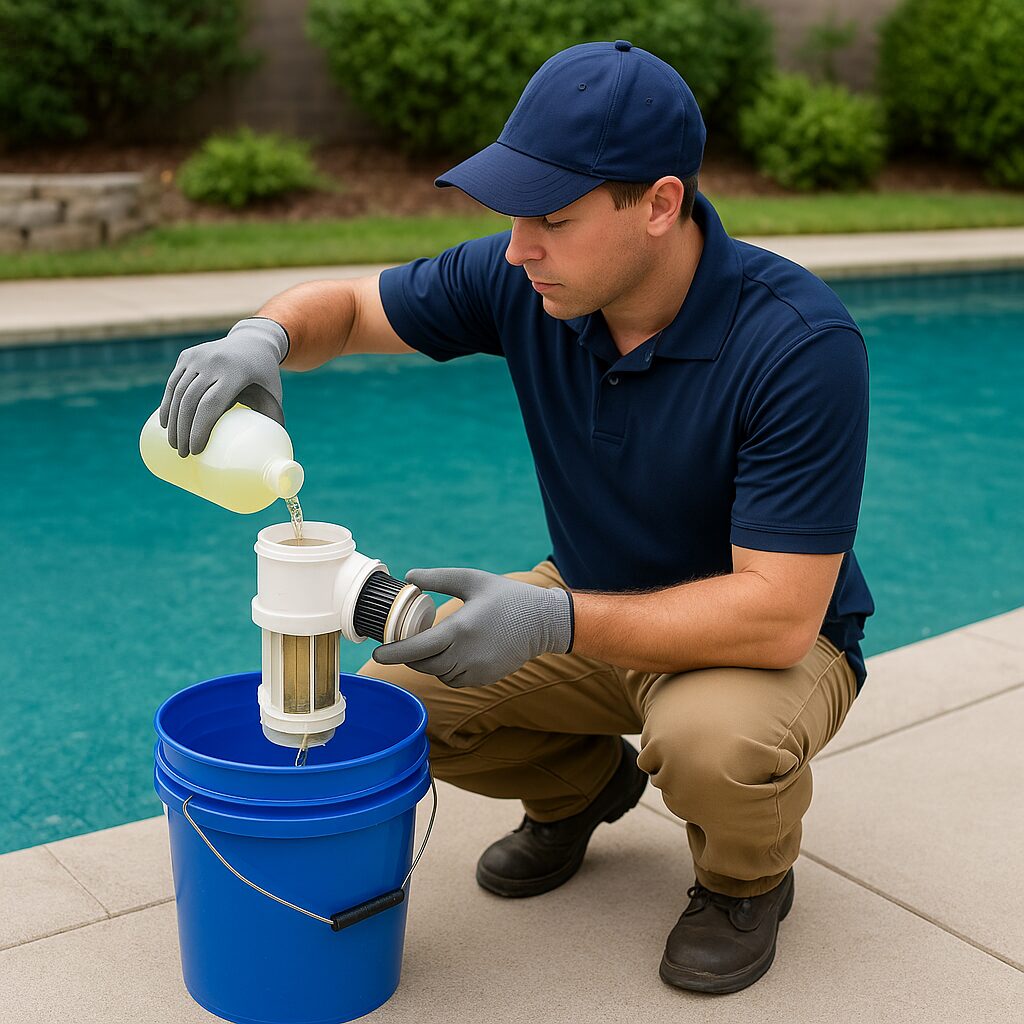
We sequence leak tests to rule out evaporation, then isolate skimmer lines, returns, main drains, and equipment pads.
From neighborhoods near to areas close to and the corridor,
we adapt methods to your pool’s surface, age, and seasonal movement for accurate results.
What’s Included with Leak Detection
- On-site evaluation to confirm leak vs. evaporation
- Pressure testing of suction/return lines and features
- Dye tests at skimmers, returns, lights, fittings, and cracks
- Acoustic (sonic) listening to localize underground leaks
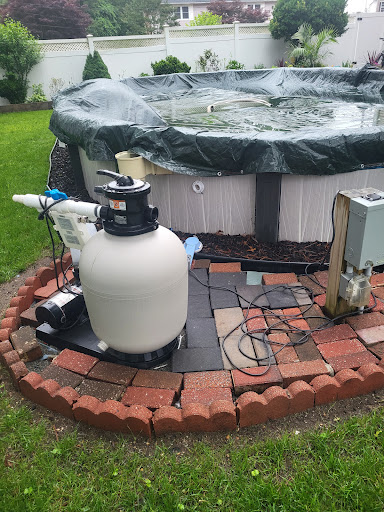
- Equipment pad inspection (pump, filter, heater, valves, unions)
- Isolation of problem lines; mark-out of suspected leak zone
- Photo/video notes and a clear repair plan
- Optional add-ons: temporary patches, return line plugs, follow-up test
- Note: Repairs and parts are quoted separately.
Why Choose Empire Pools for Leak Detection
- -specific testing sequence for faster pinpointing
- Advanced sonic listening + pressure isolation on all lines
- Licensed, insured, experienced with vinyl, fiberglass, and gunite
- Transparent findings with photos and labeled equipment
- Up-front recommendations before any repair work
- Text reminders & updates so you’re always in the loop
- Satisfaction guaranteed — we make it right
Starting at $385 + tax
Leak Detection Reviews
★★★★★
“We were losing water fast — they isolated the return line and marked the spot near . Super clear process.” — D. Romano, Westbury
★★★★★
“Dye test found a tiny leak at the skimmer that we would’ve never noticed. Photos + next steps were spot on.” — L. Chen, Westbury
★★★★★
“Sonic listening pinpointed an underground issue by . Minimal digging and it was exactly where they said.” — P. Gallagher, Westbury
★★★★★
“They ruled out evaporation first, then tested each line. Professional, calm, and fast.” — A. Stein, Westbury
★★★★★
“After heavy rain we had a sudden drop. Their test sequence found the real culprit the same day.” — J. Rivera, Westbury
Leak Detection — FAQs
How do I know if I have a leak or just evaporation in Westbury?
If your pool is consistently losing more than about ¼–½ inch per day, needs frequent top-offs, or you notice wet spots/air bubbles at returns,
it’s worth testing. We start by ruling out evaporation, then isolate plumbing to confirm the source.
What do you need from me on the day of testing?
Gate/yard access, access to the equipment pad, and any notes on when the loss started (after storms, vacuuming, heater use, etc.).
If you’re not home, we can send updates with photos/video and a clear next-step plan.
What tests are included in leak detection?
Typically: pressure testing, dye tracing, acoustic (sonic) listening, equipment-pad inspection, and line isolation
(skimmer/returns/main drain) to pinpoint the most likely source.
Can you test pools with heaters, spas, or water features?
Yes. We can isolate features and test auxiliary lines/valves to confirm whether the loss is coming from a feature loop
or the main circulation plumbing.
Will you fix it the same day?
If it’s a straightforward fitting/union/valve issue or small patch, sometimes yes. Underground or structural repairs are quoted separately
and scheduled quickly once we confirm the source.
How much does leak detection cost in Westbury?
Leak detection in starts at $385 + tax for standard residential testing.
Repairs and parts are quoted separately after we confirm the source.
What should I do before you arrive?
If possible, don’t add water the morning of, keep the pump available to run, and note the current waterline level.
A quick photo of the waterline and equipment pad helps us move faster when we arrive.