POOL HEATER INSTALLATION •
Pool Heater Installation in
Empire Pools installs and replaces gas pool heaters and heat pumps for homeowners who want a longer, more reliable
swim season. We don’t just “swap the box” — we help you choose the right heater based on pool size, target temperature,
cover usage, and real-world backyard conditions (wind exposure, shade patterns, and colder nights can change what “enough heat”
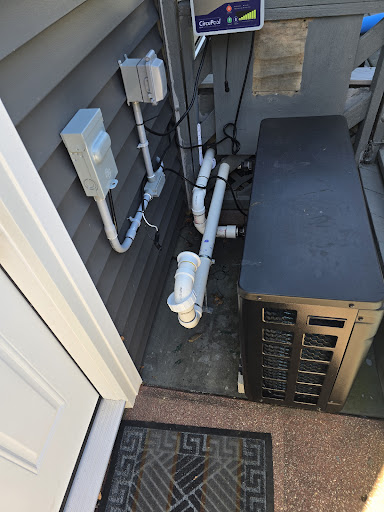
actually means). We also look at your equipment pad and plumbing so the finished install is clean, service-friendly,
and easy to operate — with unions, shutoffs, and a layout that makes sense.
Because installs often vary by property, we walk you through the practical details up front: gas vs. heat pump,
warm-up expectations, operating cost considerations, and what needs to be coordinated with a licensed gas and/or electrical pro.
Whether your pad is tucked behind the house near Jericho Turnpike (NY-25), off Route 111, closer to W Main St,
or along residential streets near Maple Ave and Hauppauge Rd, we plan the job around access, airflow clearances,
and a neat final setup. The goal is simple: start your season earlier, stay warm later, and never have to guess which buttons to push.
What to Expect
Stay Warmer, Longer in
A properly-sized pool heater is more than just BTUs on a box. We look at your pool size, depth, wind exposure, cover usage,
and how you actually swim before recommending a heater. Our team explains gas heaters vs. heat pumps, reviews your
existing gas and electric setup, and helps you choose a model that fits your budget and goals. On install day we set the heater
on a solid base, re-plumb the pad with unions and bypass where appropriate, and work with your licensed gas and/or electrician
to finish connections. Once everything is live, we bleed air, fire the heater, verify flow and temperature rise, and show you
exactly how to use and protect your new heater through the season.
What’s Included
- On-site review of pool size, pad layout, wind exposure, and cover use.
- Discussion of gas heater vs. heat pump options and which makes sense for your property.
- Heater sizing recommendations based on pool volume, target temperature, and season length.
- Removal of old heater (if applicable) and preparation of a stable pad or base for the new unit.
- Clean, service-friendly plumbing with unions, shutoffs, and bypass where appropriate.
- Integration with your existing pump, filter, and, where applicable, automation or salt system.
- Startup and testing: purge air, verify proper flow, and confirm heater is firing and holding temp.
- Owner walk-through at the pad — modes, setpoints, basic troubleshooting, and protection tips.
- Labeling of key valves and controls so you’re not guessing after we leave.
-
Note: Gas line and electrical work are handled by a licensed professional. We can coordinate with your
contractor or recommend options. Pool heater installation is custom — call for pricing.
Why Choose Empire Pools
- Local experience sizing heaters for wind-exposed yards and shoulder seasons.
- We look at the whole system — pump, filter, plumbing, gas, and electric — not just the heater box.
- Honest guidance on gas heater vs. heat pump so you understand pros, cons, and operating costs.
- Clean, organized equipment pads that future techs can actually work on without cutting everything apart.
- Integration with automation and salt systems to keep the heater protected and easy to control.
- Clear expectations on warm-up times so you know what your heater can realistically do.
- Goal: reliable heat with fewer surprises, so you’re using the pool instead of fighting cold water.
Call for pricing
What Heater Customers Say
★★★★★
“We’re off Jericho Turnpike and the pad was cramped. They reworked the plumbing with unions and the new heater is easy to service.” — Melissa G., Smithtown
★★★★★
“They explained gas vs. heat pump in plain English and sized it right. Water warms faster and holds temp better with our cover.” — Brian P., Smithtown
★★★★★
“Install day was clean and organized. Start-up was smooth and they showed us exactly what to do on the control panel.” — Jenna L., Smithtown
★★★★★
“We have an attached spa and wanted quick heat on weekends. They built the bypass correctly and the heater performs the way it should.” — Anthony S., Smithtown
★★★★★
“They coordinated with our gas guy, kept the pad neat, and labeled valves so we aren’t guessing. Exactly what we wanted.” — Caroline R., Smithtown
Pool Heater Installation — FAQs
How do you size a heater for a Smithtown pool?
We size based on pool volume plus real-world factors like wind exposure, shade, night temps, and cover habits.
A heater that looks “big enough” on paper can still feel slow if the pool is exposed or uncovered. We’ll recommend a realistic
BTU range (or heat-pump tonnage) based on how fast you want to heat and how long you plan to hold temperature in .
Gas heater or heat pump — what’s better for Smithtown?
Gas heats faster and is ideal for spas and “heat it now” weekends. Heat pumps are typically more efficient during
moderate air temps but take longer to raise water temperature. We’ll look at your swimming months, utility costs, and whether you
prioritize speed or efficiency, then recommend the best fit (and explain the tradeoffs clearly).
Do you remove the old heater and update the plumbing?
Yes. If you’re replacing an old unit, we remove it and rebuild the pad connection so the new heater has
unions, shutoffs, and service-friendly spacing. If a bypass makes sense for your system, we’ll include it so flow stays correct
and the heater is protected.
Who handles the gas line and electrical connection?
Gas and electrical work is completed by a licensed professional. We can coordinate with your contractor or help you line up
the right trade. Our crew handles the pool-side installation, pad layout, and plumbing so the licensed gas/electric portion ties in
cleanly with no surprises.
How long does it take to heat the pool after installation?
It depends on heater size, starting water temp, air temp, wind, and whether you use a cover. Many properly sized systems can raise
water temperature a few degrees per hour under good conditions. We’ll give you realistic expectations for your pool and explain how
a cover changes the result more than most people realize.
What can I do to keep heating costs down?
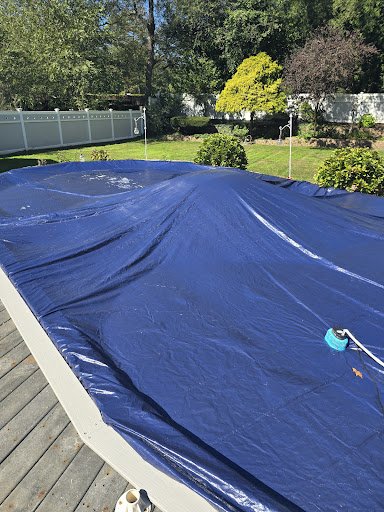
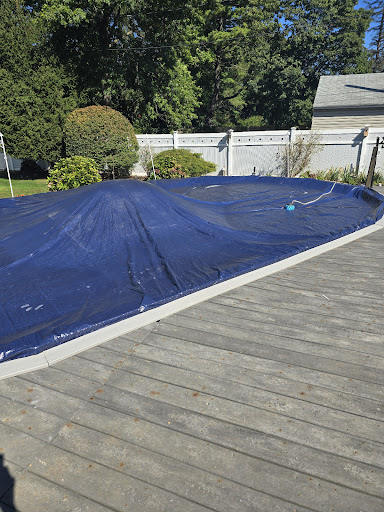
The biggest win is a cover (evaporation is the main source of heat loss). We’ll also help you set a practical temperature,
show you how to run the heater efficiently, and confirm your circulation/flow is correct so the heater isn’t working harder than it should.