POOL INSPECTION •
Pool Inspection in
Empire Pools provides professional pool inspection for pool owners — a detailed, on-site evaluation designed to give you a clear,
no-guesswork picture of your pool’s condition and what (if anything) needs attention. We start with a quick intake on what you’ve noticed (water loss, noisy
equipment, weak suction/returns, cloudy water, stains, or recurring issues), then perform a structured walk-through: (1) a visual check of the pool shell/surface,
waterline, coping, fittings/returns, skimmer throat, and any visible cracking or movement; (2) an equipment-pad inspection of the pump, filter, valves, unions,
gauges, heater/salt system (if present), and visible plumbing for leaks, corrosion, vibration, and wear; (3) basic circulation red-flag checks (air in the system,
flow performance, and obvious suction/return issues); and (4) safety/condition notes that matter for owners and buyers alike (cover/anchor stress points when applicable,
trip hazards, and visible electrical connection concerns). We document what we see, call out risk items early, and finish with a clean, prioritized action list so you
know what to handle now vs. what can wait — and how to prevent small issues from turning into expensive surprises.
Plainedge • Local Insight
Inspections Tuned to Plainedge Pools
In , equipment pads tucked behind landscaping and tight side-yard access can make small leaks hard to spot until they become a bigger problem.
We focus on suction-side air indicators, pad connections, valve orientation, and early leaks that show up as “a little water loss” over time — plus the circulation
restrictions that show up after heavy debris or leaf drop.
From homes near Hempstead Turnpike (NY-24) and Jerusalem Avenue to areas around Broadway, Central Avenue,
Stewart Avenue, Boundary Avenue, and Hicksville Road — plus nearby landmarks like Plainedge Park, John H. West School,
Plainedge High School, and Bethpage State Park — we tailor the inspection to your pool’s surface type, age, yard conditions, and equipment layout.
We check for common “quiet problems” like slow pad leaks, worn pump lid o-rings, loose unions, early corrosion at fittings, and circulation red flags — not just what’s obvious at a glance.
What’s Included with Pool Inspection
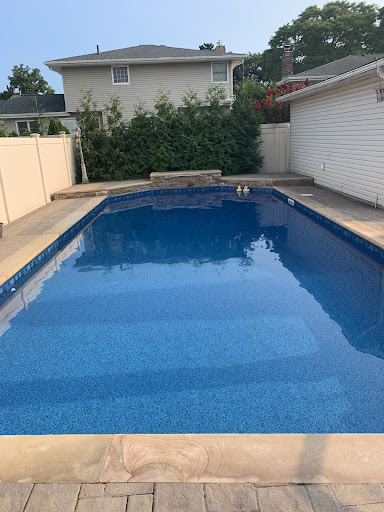
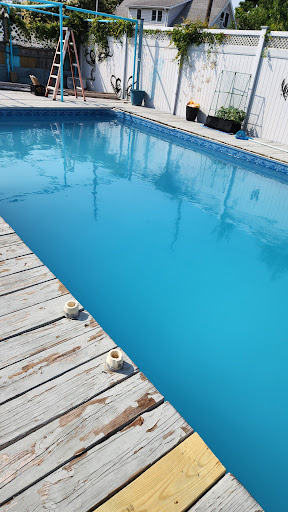
- Visual inspection of pool structure, coping, waterline tile, fittings, and returns for cracks, movement, or wear.
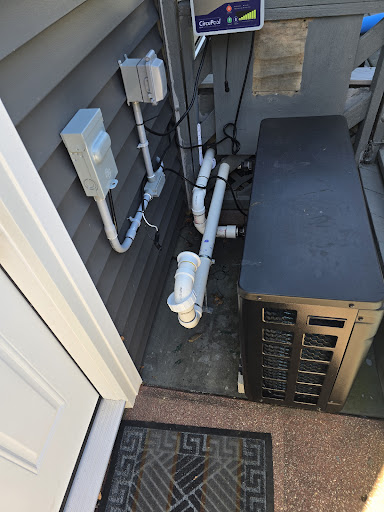
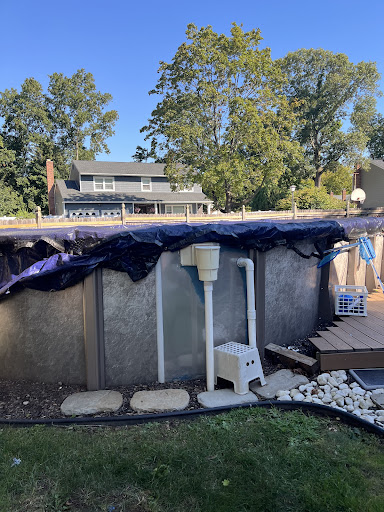
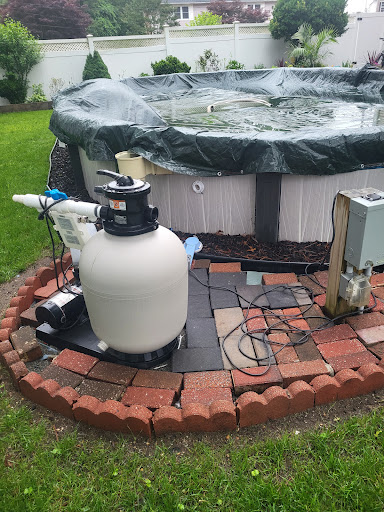
- Equipment pad inspection: pump, filter, heater (if present), valves, unions, gauges, and visible plumbing for leaks or corrosion.
- Circulation check: suction/return performance, air in the system, and basic operational red flags.
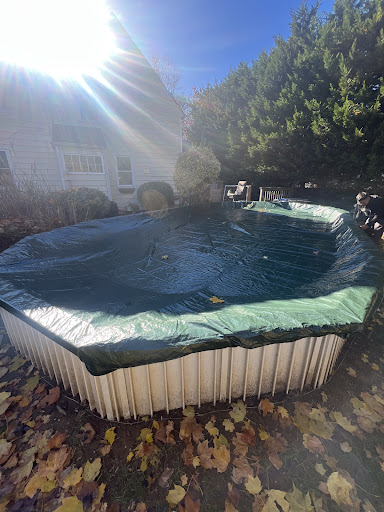
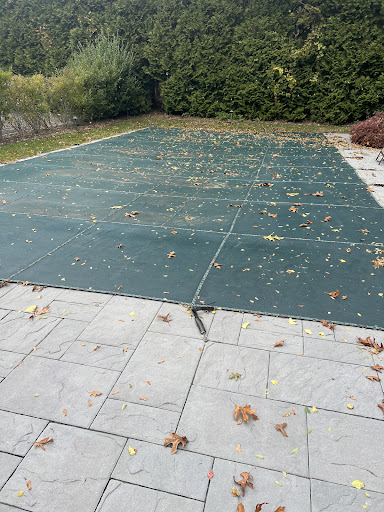
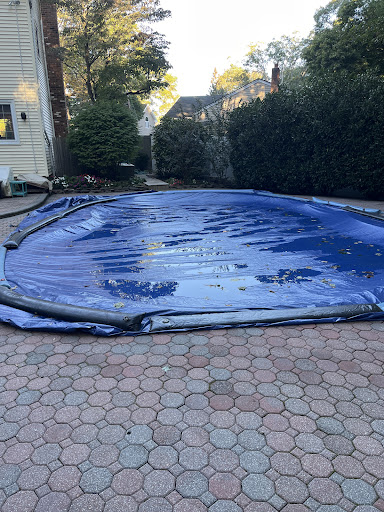
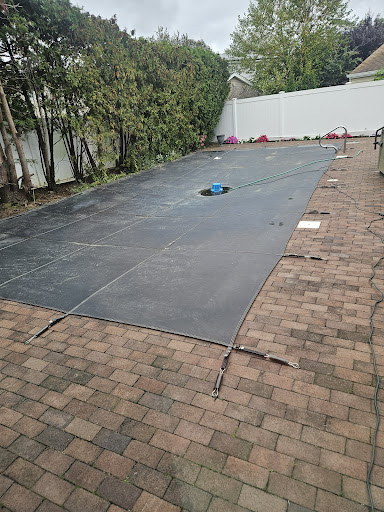
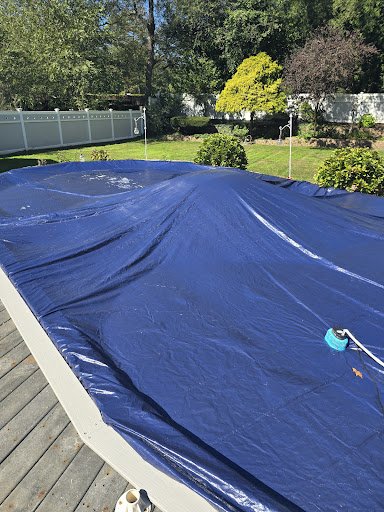
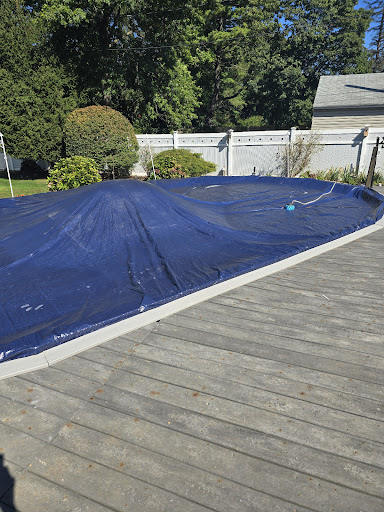
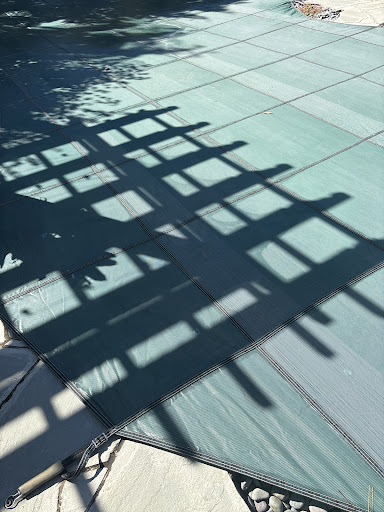
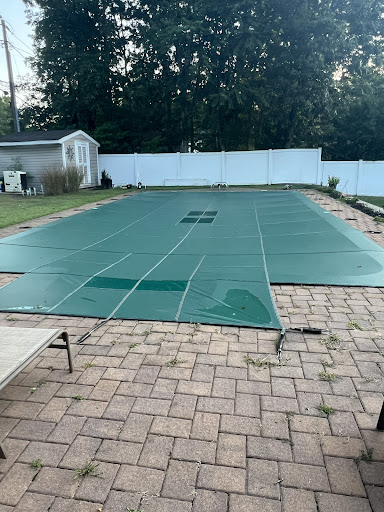
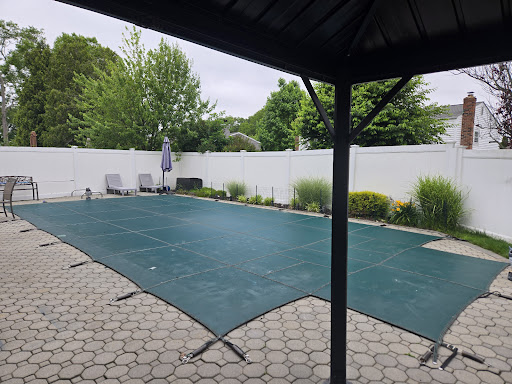
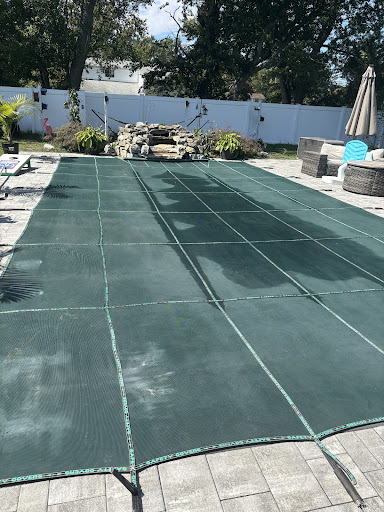
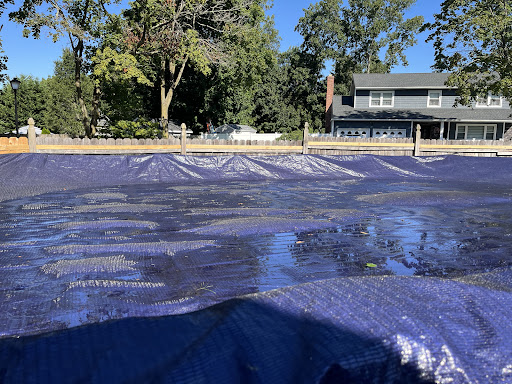
- Cover and winter protection review (when applicable): strap tension, anchors, water level risk, and visible stress points.
- Skimmer and basket condition check, plus debris pathways that commonly show up after wind and rain events.
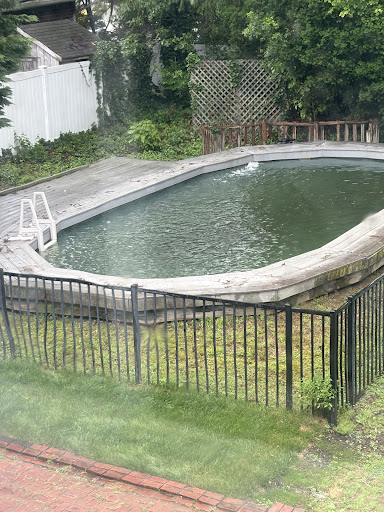
- Water condition snapshot (visual) with recommendations if chemistry or clarity suggests a bigger issue.
- Clear written notes or text summary after service with priorities, recommended fixes, and next steps.
- Optional add-ons: pressure testing, leak detection, equipment upgrade recommendations, or scheduling a follow-up visit.
- Note: Repairs, parts, or advanced testing are separate services quoted individually.
Why Choose Empire Pools for Pool Inspection
- Plainedge-aware inspection approach that accounts for debris load, tight equipment pads, and shoulder-season circulation issues.
- Experienced techs who evaluate equipment and circulation systems every day across Long Island.
- Plain-language explanations — you’ll know what matters now vs. what can wait.
- Preventative mindset focused on catching leaks, failures, and safety issues early.
- Options to roll recommendations into weekly service, power vac, or green-to-clean plans if needed.
- No long-term contract required — inspections can be one-time or seasonal.
- Fast text support if you spot changes after storms or cold snaps.
Pool Inspection Reviews
★★★★★
“We’re near Jerusalem Avenue and couldn’t tell if the water loss was evaporation or a leak. They found a slow seep at a union and gave us a clear fix plan.” — M. Iannone, Plainedge
★★★★★
“Pre-sale inspection was organized and detailed. The priority list helped us budget and handle the right items first.” — S. Kline, Plainedge
★★★★★
“Straight answers, no upsell. They told us what was urgent, what could wait, and what to keep an eye on through the season.” — D. Romano, Plainedge
★★★★★
“Our pump was pulling air after a windy week. They spotted the suction-side clue fast and explained exactly what was happening.” — R. Mehta, Plainedge
★★★★★
“The notes were practical and easy to follow — we used them like a checklist and avoided wasting money on the wrong repairs.” — J. Donnelly, Plainedge
Pool Inspection — FAQs
When is the best time to schedule a pool inspection in Plainedge?
The most common times are before buying a home, when you notice water loss, after major wind/rain, or when equipment behavior changes
(air bubbles at returns, louder pump, weak suction). Early spring is also a smart time to establish a baseline before the season ramps up.
What should I do before you arrive for a Plainedge pool inspection?
Clear a path to the equipment pad and make sure gates are accessible. If you’ve noticed issues, jot down when they happen (time of day, after backwashing,
after rain/wind, etc.). If you have photos of the pad or any visible leaks, those help speed up diagnosis.
What exactly does your pool inspection cover?
We check visible pool structure/surface and the waterline area, then focus on the equipment pad: pump, filter, valves, unions, gauges, heater and/or salt
system (if present), plus visible plumbing for leaks, corrosion, vibration, and wear. We also flag circulation red flags like suction-side air or restricted flow.
Can a pool inspection tell me for sure if I have a leak?
We can identify strong indicators (active drips, pad seepage, consistent loss patterns, and circulation clues), but pressure testing and advanced leak detection
are separate services. If leak indicators are present, we’ll explain the best next step and price it clearly.
How much does a pool inspection cost in Plainedge?
Pool Inspection typically starts at $385 + tax for a detailed on-site evaluation and recommendations. Repairs, parts, or advanced testing are quoted separately.