SALTWATER POOL CONVERSION • Islip, NY
Saltwater Pool Conversion in Islip, NY
Empire Pools converts traditional chlorine pools in into saltwater chlorine-generation systems designed around your
pool size, equipment, and how you actually use the pool. We don’t “bolt on a box” and leave — we evaluate your pump, filter, heater,
plumbing layout, and return configuration, then size the cell correctly so it can keep up during hot stretches, heavy swimming days,
and after storms when water chemistry can drift fast. On conversion day we install the control panel in a clean, service-friendly location,
plumb the cell with unions and correct flow orientation, then bring salinity and balance into the ideal operating range so the system
produces chlorine consistently.
In , we’re routinely on the same local routes near , , , , and — so we’re set up for efficient scheduling and clean, organized pad work.
You’ll also get a clear walk-through on output settings, how to test and interpret readings, how to
protect stone/metal finishes, and how to keep chlorine stable without overworking the cell. The goal is simple: softer-feeling water,
fewer chemical runs, and a more automatic routine — without corrosion headaches or guesswork.
What to Expect
Convert the Smart Way for Islip Conditions
A saltwater pool is still a chlorine pool — the difference is how the chlorine is made. Instead of constantly lugging
buckets and tablets, a salt cell uses a safe salt level in your pool to generate chlorine as water passes through.
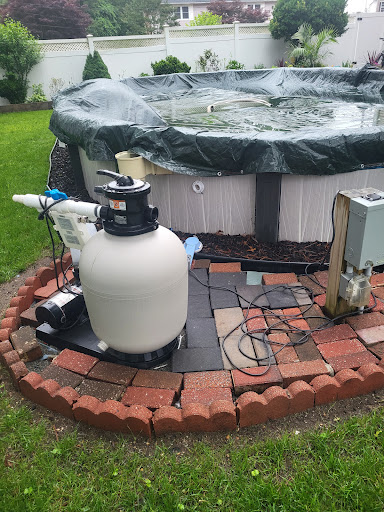
Before we convert, we review your pump, filter, heater, plumbing, and pad layout to make sure everything is compatible.
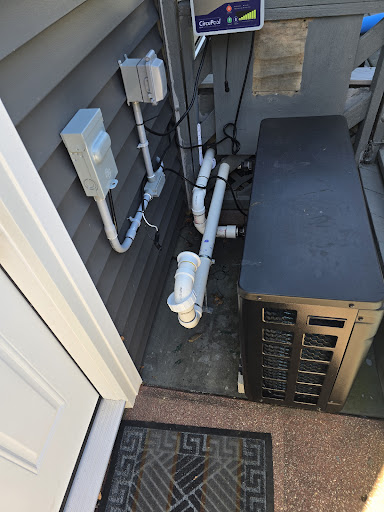
On conversion day we mount the control box in a service-friendly spot, plumb in the cell with unions and proper flow orientation,
and bring your salinity and chemistry into the ideal range. Once the system is running, we dial in output, show you how to care
for the cell, and explain how saltwater affects your openings, closings, and everyday maintenance in Islip.
What’s Included
- On-site review of pad layout, plumbing, and equipment compatibility for a salt system.
- Discussion of salt system brands, cell sizing, and control options based on pool volume and usage.
- Mounting of salt system control panel in a clean, accessible location at the equipment pad.
- Professional plumbing of the salt cell with unions, proper flow direction, and bypass where appropriate.
- Water testing, adjustment of chemistry, and bringing salinity into the target range for the new system.
- System startup, verification of chlorine production, and review of alarms and indicators.
- Labeling of key valves and controls so you know exactly how water is flowing through the cell.
- Owner walk-through on cell cleaning, output settings, and how salt changes your weekly routine.
- Guidance on how a salt system interacts with heaters, stone, and metals around your pool.
-
Note: Saltwater pool conversion packages start at $1500 + tax. Final pricing depends on
equipment model, pad layout, electrical needs, and any additional plumbing changes.
Why Choose Empire Pools
- Decades of experience converting Islip pools to salt while respecting local water, weather, and materials.
- We size the cell for your bather load and season length, not just the number on the box.
- Clean pad work — plumbing and wiring routed so future service is easier, not harder.
- Clear explanation of the truth about saltwater — what changes, what doesn’t, and how to avoid corrosion issues.
- Realistic expectations on how salt will impact your chemical costs and weekly workload.
- Support across the full season — from first start-up to winterizing salt equipment correctly.
- Goal: softer-feeling water and a simpler routine, without surprise problems down the road.
Starting at $1500 + tax
What Saltwater Customers Say
★★★★★
“We were done with tablets. Empire converted our Islip pool to salt and the water’s been clearer with way less babysitting.” — C. Donnelly, Islip
★★★★★
“They sized the cell correctly and explained output settings so we don’t overwork it. Huge difference for our Islip summer weekends.” — J. Morales, Islip
★★★★★
“Clean install — wiring and plumbing look organized, not hacked together. The salt system runs quietly and keeps chlorine stable.” — A. Hwang, Islip
★★★★★
“We were worried about stone and metal. They walked us through what to protect and how to keep salinity and balance in range.” — L. Serrano, Islip
★★★★★
“The first week after conversion our pool held chlorine even after heavy use. The system just keeps up.” — P. Keane, Islip
Saltwater Pool Conversion — FAQs
What’s the biggest mistake people make when converting to salt?
The #1 mistake is undersizing the salt cell. If the cell is too small, it has to run at high output all the time to keep up,
which can accelerate wear and still leave you short during heat waves or heavy bather load. We size conversions so you have breathing room,
then show you how to adjust output through the season.
How long does a saltwater pool conversion usually take?
Most conversions are completed in one visit once we confirm equipment compatibility. The total time depends on pad access, plumbing layout,
and whether any electrical changes are required. After installation, we balance water and confirm chlorine production before we leave.
Will I still need to shock my pool after converting?
Sometimes, yes — but far less often. Salt systems handle daily chlorine demand, but you may still shock after major storms, extreme bather load,
or if chemistry drifts. The big win is that routine sanitation becomes more automatic, and your chlorine level stays steadier day-to-day.
Do salt pools reduce chemical costs?
They usually reduce ongoing chlorine purchases, but you’ll still spend on testing, balance chemicals, and occasional cell cleaning.
The real value is consistency: fewer swings, fewer “emergency” chemical runs, and a simpler weekly routine.
How do I prevent corrosion with a saltwater pool?
Keep salinity in the target range, maintain balanced chemistry, and prevent saltwater from repeatedly drying on metal or certain stones.
Proper bonding/grounding and smart pad layout also matter. During your conversion we’ll point out the specific risk areas around your pool and how to protect them.